Rehab Loans in La Crosse, WI
You may be able to purchase a home and roll the costs of the renovation into your loan.
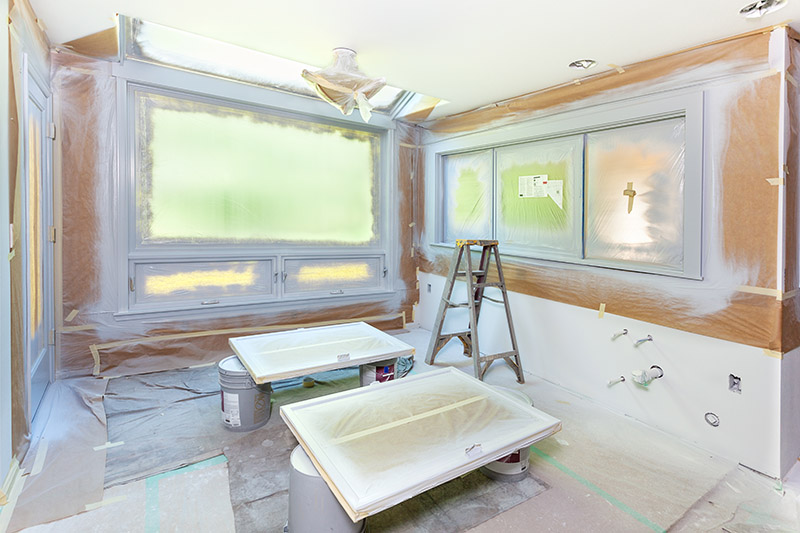
A rehab loan in La Crosse, WI combines home financing and eligible renovation expenses into one mortgage. At Midwest Mortgage Group, we help buyers understand how a rehab mortgage may work for an older home, a property with deferred maintenance, or a house that needs updates before it feels like home. Education comes first, because the renovation scope, appraisal, contractor, and loan program all affect the process.
Key Takeaways
- Combined financing: A rehab loan may finance the home purchase or refinance along with approved renovation expenses.
- Program choices: FHA, conventional, VA, and investor-focused renovation programs have different eligibility and property requirements.
- After-improved value: The appraisal generally considers the property and the planned improvements, subject to program guidelines.
- Controlled renovation funds: Repair money is usually held in an escrow account and released through draws after work is verified.
- Contractor review: Your contractor, project estimate, licenses, insurance, and experience may need to be reviewed before closing.
- Longer timeline: Rehab loans commonly require more preparation than standard purchase financing because the property and renovation must both be approved.
Common Questions About Rehab Loans
Rehab loans help borrowers finance an eligible property and planned improvements through a structured mortgage process. Here are direct answers to the questions we commonly hear from buyers and property investors.
- What is a rehab mortgage? It is financing that combines the cost of buying or refinancing a home with eligible repair or renovation expenses. The approved renovation funds are generally placed in escrow rather than paid directly to you at closing.
- Who may use a rehab program? First-time buyers, repeat buyers, Veterans, current homeowners, and real estate investors may have choices, depending on occupancy, credit, income, assets, and property condition. First-time purchasers can also review our first-time home buyer programs.
- How long does the loan process take? A rehab mortgage often takes longer than standard financing because bids, contractor documents, an appraisal, and the renovation plan must be reviewed. A complete file may move more smoothly, but timing depends on the project and program.
- Can I complete the repairs myself? Some programs may permit limited self-help work, but many require qualified third-party contractors. Even when self-help is permitted, payment for your own labor may be restricted and documentation requirements still apply.
- Do I need renovation plans before making an offer? You do not always need final plans before the offer, but you should understand the property’s visible condition and your likely scope of work. Detailed contractor bids are generally required before final approval.
- Is every repair eligible? No. Eligible work depends on the rehab program and may include health and safety repairs, roofing, plumbing, electrical systems, accessibility improvements, kitchens, bathrooms, or energy upgrades; luxury-only improvements are commonly restricted.
- May Veterans finance repairs with a VA program? Eligible borrowers may be able to explore VA renovation financing, although availability and contractor requirements can be more limited. Our VA home loan page explains the broader purchase program.
- Are rehab loans only for owner-occupied homes? No, but FHA rehabilitation financing generally focuses on eligible primary residences. Investors may need a different structure, such as a fix and flip home loan or another investment property program.
How Rehab Loans Work
A rehab loan moves from financial review to project approval, closing, and controlled construction draws. Knowing these stages before you make an offer can help you set realistic expectations with your real estate agent and contractor.
- Review your finances and goals: We start by discussing your income, credit profile, assets, occupancy plans, and estimated renovation budget. This helps us compare FHA, conventional, VA, or investor-focused choices without assuming one rehab program works for everyone.
- Identify an eligible property: You and your real estate agent look for a home with repair needs that fit the selected program. The purchase agreement may need enough time for contractor estimates, appraisal work, and loan review.
- Build a detailed scope of work: A contractor prepares an itemized proposal describing labor, materials, permits, and expected completion dates. Broad allowances such as “remodel kitchen” are usually not enough because reviewers need to understand exactly what is being completed and how much it should cost.
- Complete the appraisal and project review: The appraiser reviews the property and renovation documents to develop an opinion of value subject to completion of the proposed work. The lender also reviews contractor qualifications, required permits, contingency reserves, and program-specific standards.
- Finalize underwriting and close: Your income, assets, property information, and renovation package go through underwriting. At closing, the seller receives the purchase proceeds while approved repair funds are generally placed into a renovation escrow account.
- Complete work and request draws: The contractor performs the approved work according to the project schedule, and draw requests are submitted as milestones are reached. Inspections commonly verify completed work before funds are released, with final documentation required before the escrow account is closed.
When a Rehab Mortgage May Make Sense
A rehab mortgage may be a good fit when the right property needs work and you want one structured source of financing. It often works well for a first-time buyer who can manage a planned renovation, a Veteran evaluating an eligible fixer-upper, or an owner-occupant who wants to refinance and improve an existing home. In our experience, buyers get more useful results when they have realistic priorities, a qualified contractor, and room in the budget for items discovered after work begins.
Alternatives should be considered when you need to move in immediately, cannot accommodate a longer closing, or want to manage an open-ended project without lender inspections. A standard conventional mortgage may be worth considering if the home is already financeable and the improvements are mainly optional; eligible borrowers may also compare an FHA home loan for a property that does not require renovation financing. Investors planning a fast resale should carefully compare the draw process, holding costs, and occupancy restrictions before choosing a consumer rehab program.
Rehab Loan Costs, Fees, and Expectations
Rehab financing includes normal mortgage expenses plus costs connected to reviewing and managing the renovation. Closing expenses may include the appraisal, title work, lender charges, prepaid taxes and insurance, inspections, project administration, and permit-related costs. Your required down payment depends on the program, occupancy, property, and financial profile.
For a simplified example, a $250,000 purchase with $50,000 of approved improvements creates a $300,000 project before any eligible financed fees or contingency reserve. If an FHA rehabilitation structure permits 3.5% down in that scenario, the starting down-payment calculation would be approximately $10,500, although the final amount depends on the required value calculation, program rules, and closing figures.
Rehab borrowing costs may be higher than standard financing because of additional administration, inspections, and draw management. What we typically see is that contractor documentation adds more time than borrowers expect, so allowing several additional weeks beyond a straightforward mortgage timeline may be practical.
| Feature | Rehab Mortgage | Standard Mortgage |
|---|---|---|
| Financed purpose | Home plus approved improvements | Home in acceptable current condition |
| Down payment | Varies; FHA rehabilitation financing may begin at 3.5% | Varies by conventional, FHA, or VA guidelines |
| Property review | Current condition, project scope, and completed value | Primarily current condition and value |
| Additional expenses | May include inspections, consultant services, draws, and contingency funds | Usually does not include renovation administration |
| Closing timeline | Often longer due to bids and project review | Generally more streamlined |
Common Rehab Loan Mistakes to Avoid
The most common rehab loan problems begin with an incomplete budget, an unprepared contractor, or assumptions about eligible work. Addressing these details early can reduce avoidable revisions and closing delays.
- Using a vague contractor bid: A one-page estimate without labor, material, permit, and timeline details may not satisfy the renovation review. Ask the contractor to itemize the work before the appraisal is ordered.
- Skipping a contingency plan: Opening a wall may reveal outdated wiring, moisture damage, or deteriorated plumbing that was not visible during the showing. Some programs require a contingency reserve, but you should also understand how change orders will be handled.
- Changing the project after appraisal: Replacing an approved roof project with a kitchen upgrade can affect value, eligibility, and the draw schedule. Material changes generally need review before the contractor proceeds.
- Choosing a contractor who cannot provide documents: For example, a skilled family friend may offer an attractive estimate but lack required insurance, licensing, references, or the cash flow to wait for inspection-based draws. That contractor may not meet program standards even if the workmanship is good.
- Assuming all funds arrive at closing: Renovation proceeds are normally controlled and released after verified progress. Contractors should understand the draw process before signing the agreement, because deposits and payment schedules must fit program guidelines.
- Ignoring post-closing deadlines: Rehab programs commonly establish a completion period and inspection requirements. Weather, material lead times, and permit scheduling should be discussed before closing rather than after a deadline becomes difficult to meet.
Local Considerations for La Crosse, WI
Older housing, floodplain geography, and municipal review can directly affect a renovation plan in La Crosse, WI. Homes in the Washburn neighborhood and North Side may include aging electrical, foundations, roofs, or mechanical systems, while properties near the Mississippi River or La Crosse River may require careful floodplain and insurance review. Historic features, local permits, winter construction conditions, and the availability of contractors should all be reflected in the timeline.
Employment connected to Gundersen Health System, Mayo Clinic Health System, education, manufacturing, and regional logistics supports a mix of first-time buyers and relocating households. Through our Chamber involvement and work as community sponsors, we understand why communication among the borrower, real estate agent, contractor, and lender matters on local renovation projects.
Ready to Explore Your Rehab Loan?
We can help you compare the property, renovation budget, and available financing before you commit to a project. Bring us your goals, estimated repairs, and questions, and we will walk through the trade-offs in calm, understandable terms. Get started with Midwest Mortgage Group (NMLS #2229) today by selecting Get Started.
This is educational content and not financial advice. Loan programs and guidelines can change. Talk with a licensed mortgage professional about your specific scenario.